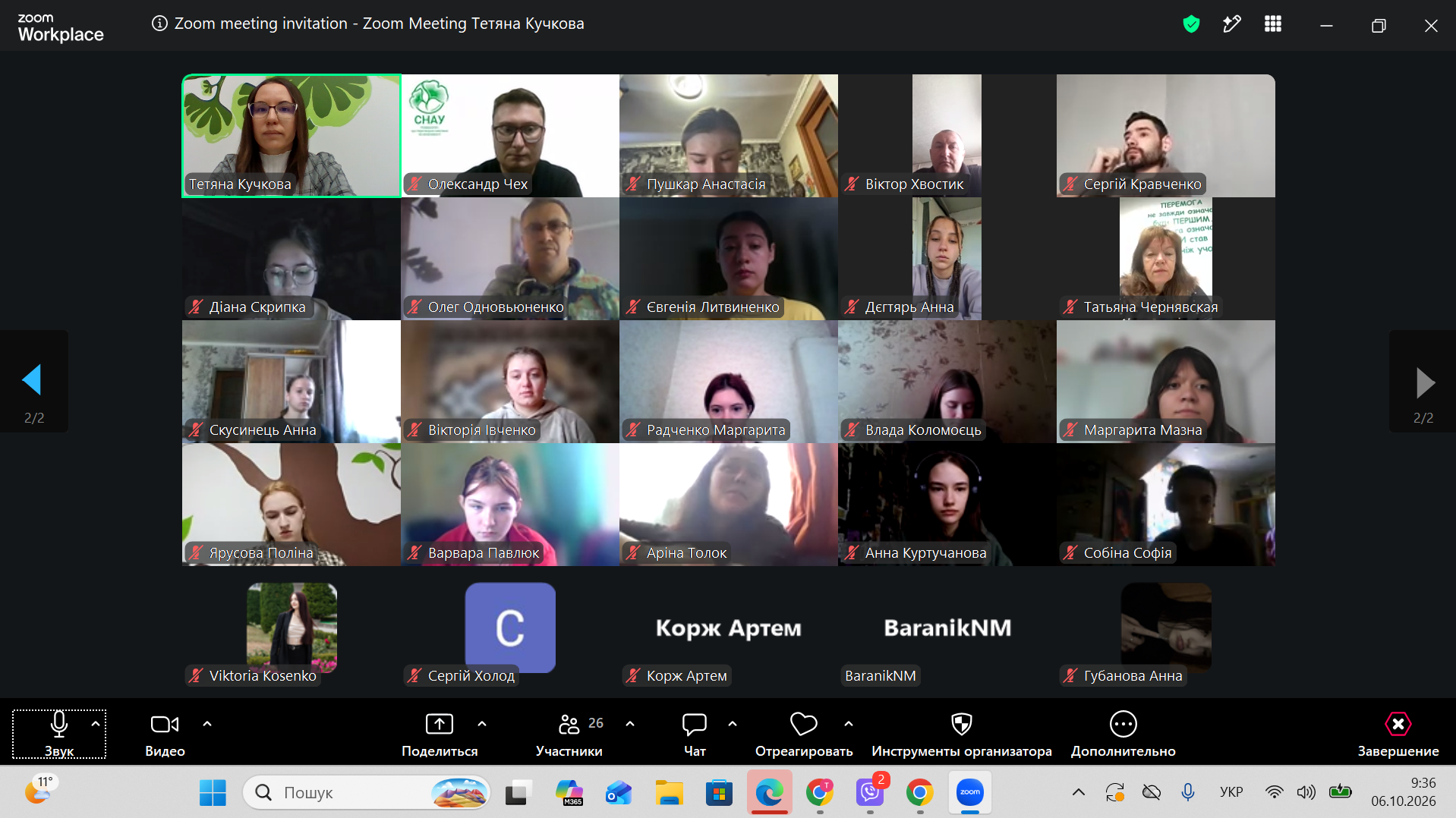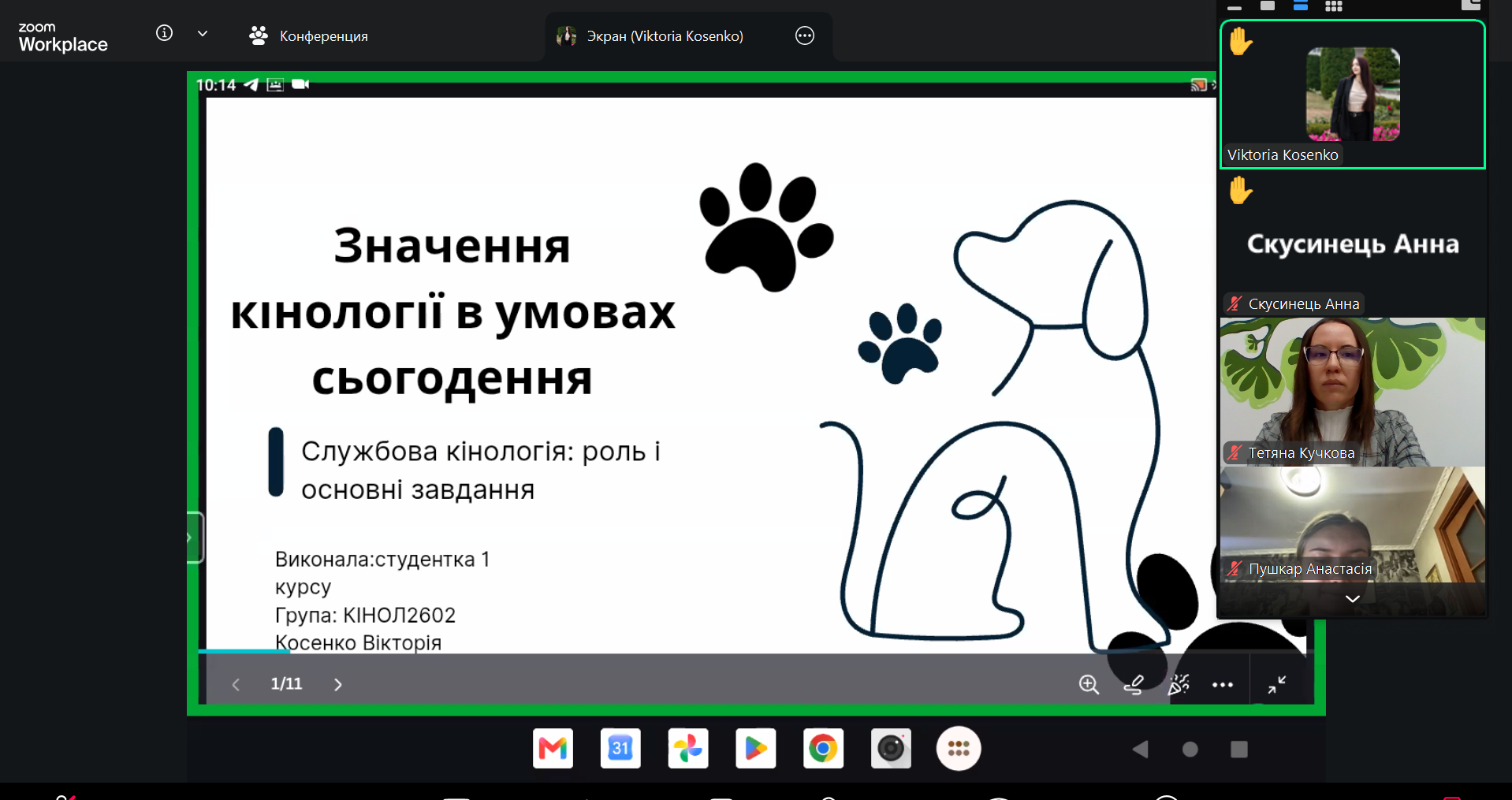
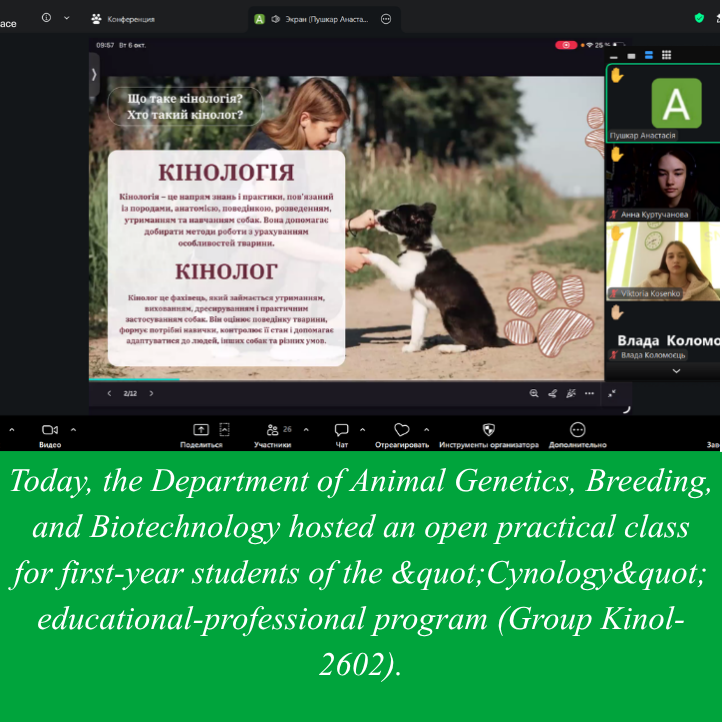
The class, which focused on the timely topic “The Significance of the Livestock and Cynology Sectors in the Modern World: Cynology’s Contribution to Societal Well-being and Safety,” was conducted by Tetiana Pavlivna Kuchkova, PhD and Senior Lecturer at the department.
The primary goal of the session was not merely to reinforce theoretical material but to apply it practically and demonstrate to students the scope and interdisciplinary nature of their future profession.
The class incorporated modern educational trends and innovative technologies:
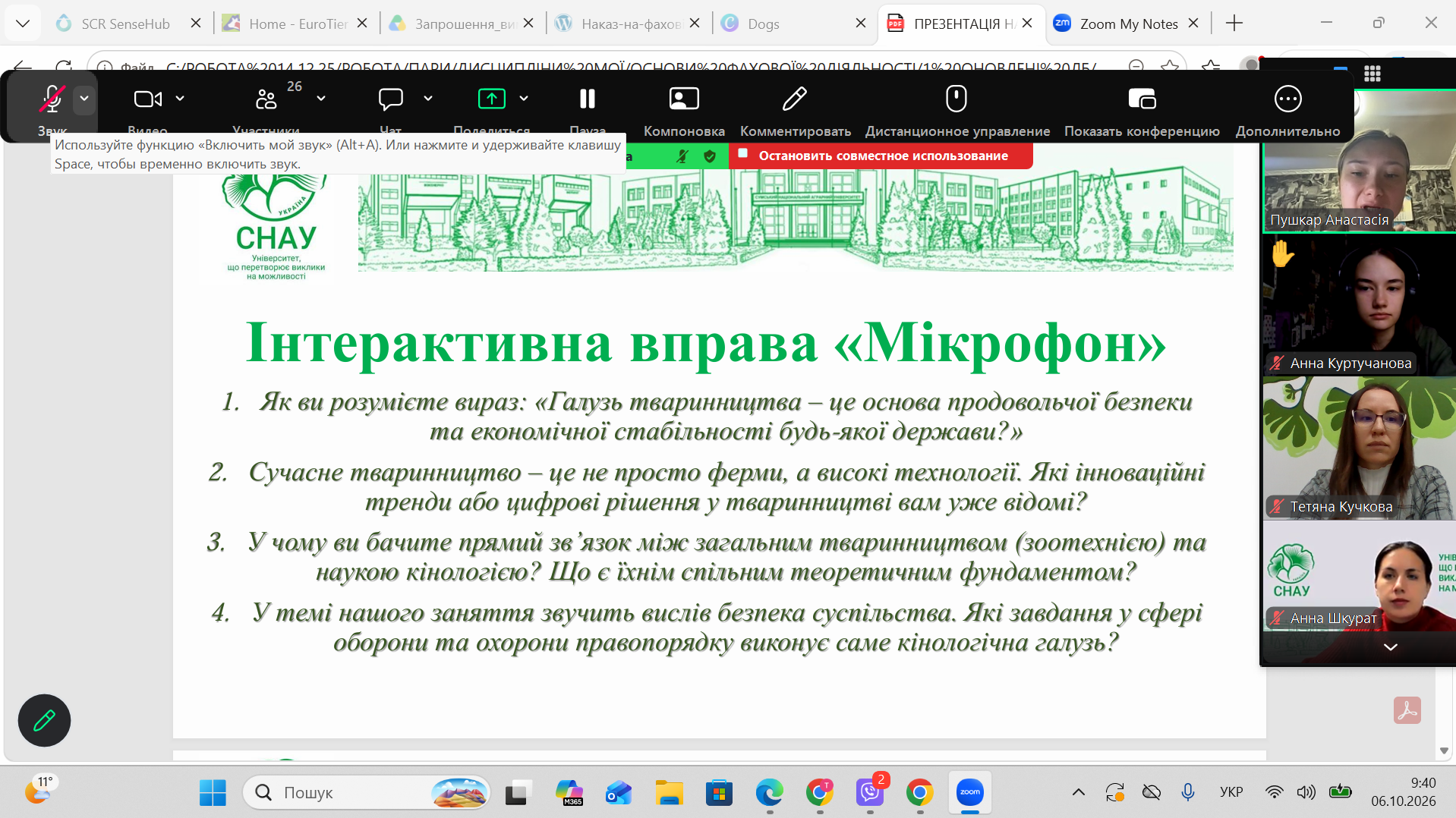
the “Microphone” exercise—facilitated an effective quick assessment, activated the first-year students’ prior knowledge, and encouraged active participation in the discussion;
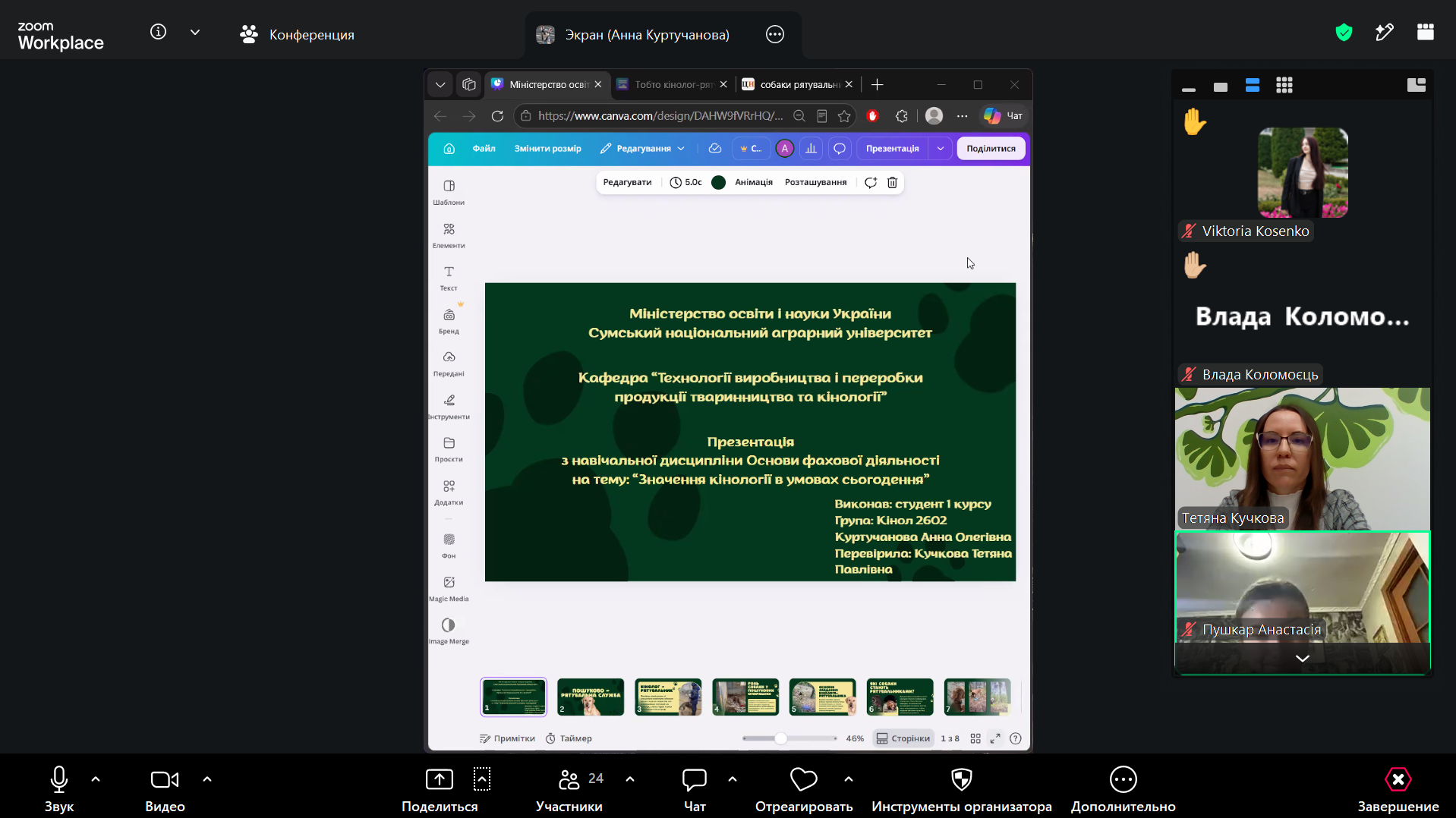
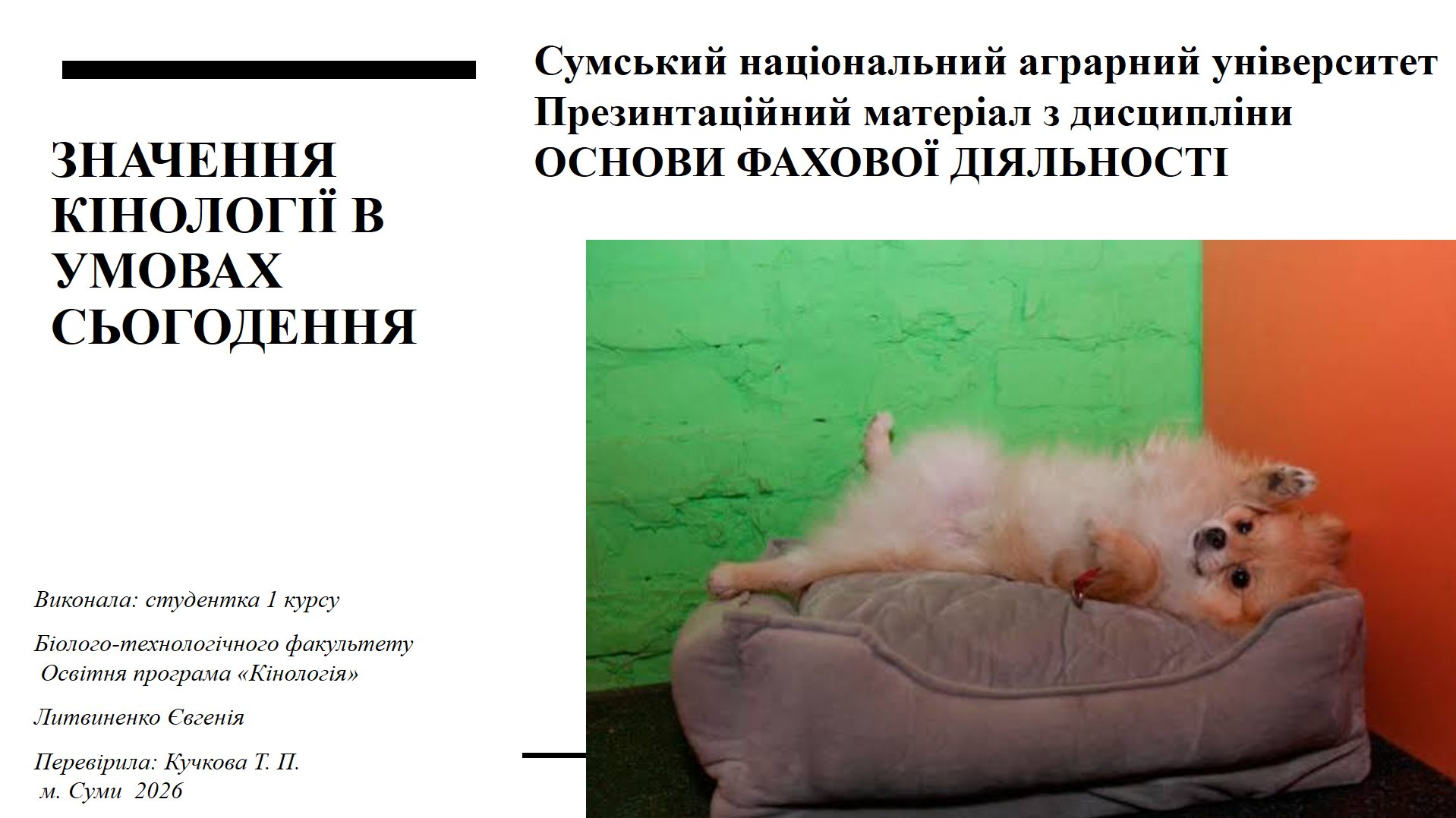
the project method—served as the key stage of the session. Students presented their own independent research, demonstrating a high level of proficiency with digital tools, public speaking skills, and the ability to engage in professional dialogue.
During the project presentations, the future specialists analyzed in detail the role of the livestock sector in ensuring global food security and examined the multifaceted contribution of cynology to modern life—ranging from national defense and law enforcement to canine-assisted therapy and psychological rehabilitation. At the end of the session, the instructor conducted a transparent assessment based on clear criteria, and the first-year students were assigned an analytical case study regarding the Law of Ukraine “On the Protection of Animals from Cruelty.”
The open class generated significant interest among colleagues and experts. The following individuals participated in the discussion and evaluation of the event’s methodological quality:
– the acting head and faculty members of the Department of Animal Genetics, Breeding, and Biotechnology;
– representatives from the Dean’s Office of the Faculty of Biology and Technology;
– colleagues from the Department of Animal Production and Processing Technology and Cynology;
– Nadiia Mykolaivna Baranik, a methodologist from the SNAU Educational and Methodological Department for Quality Assurance, who noted the high scientific and methodological standard of the class and its full compliance with requirements;
– a representative of the Faculty of Biology and Technology’s Employers’ Council—Serhii Oleksandrovych Kholod, a police sergeant with the Sumy Patrol Police. He emphasized the particular practical value of the topics discussed, noting that the high-quality training of cynologists makes a significant contribution to the safety of our society.
The consensus among colleagues and stakeholders was that the class was conducted at an exemplary level and that the threefold objective—educational, developmental, and formative—was fully achieved.